The 3 trillion dollar question:
The Blue Planet or the Red Planet?

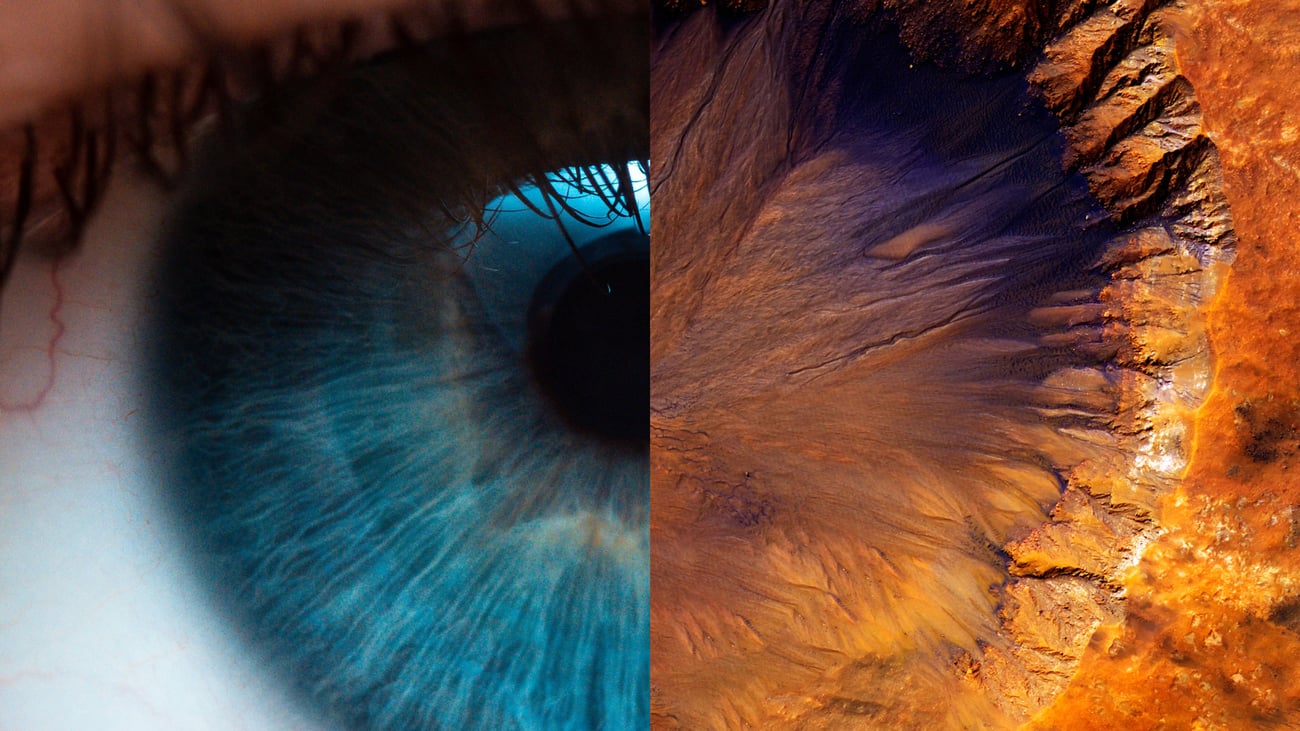
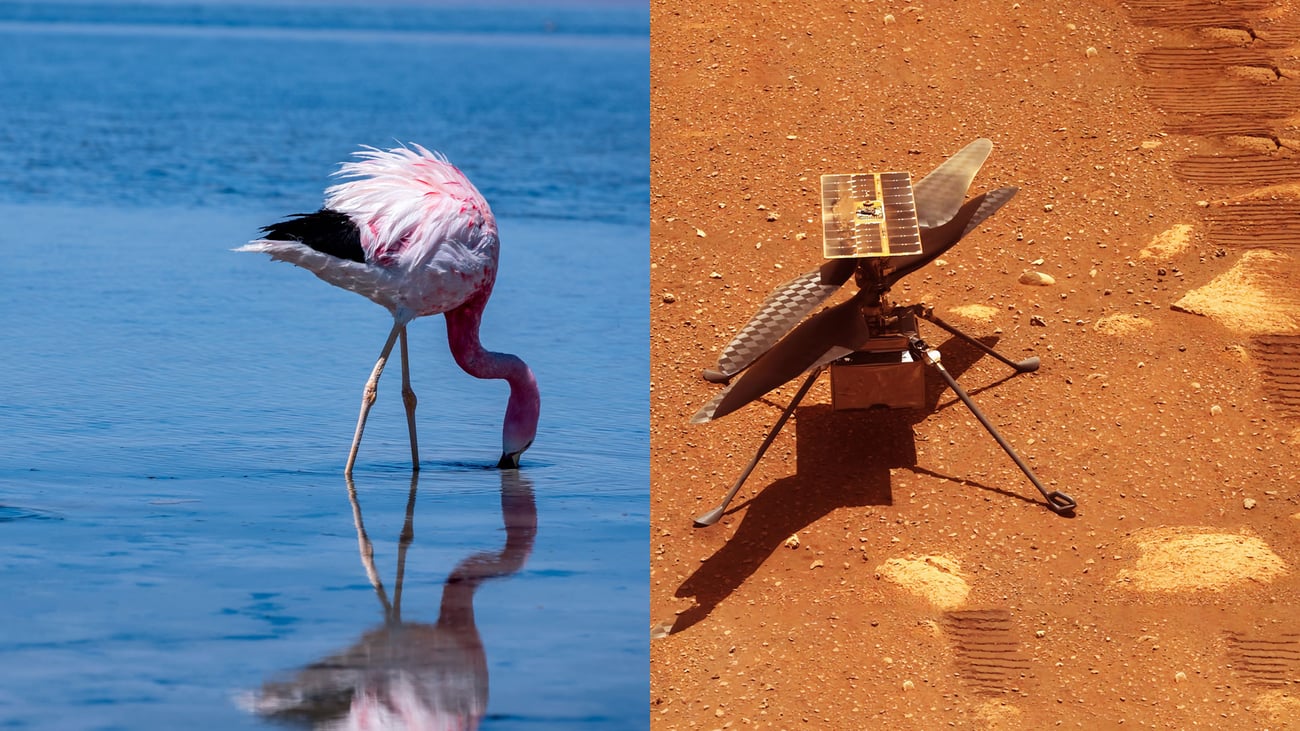
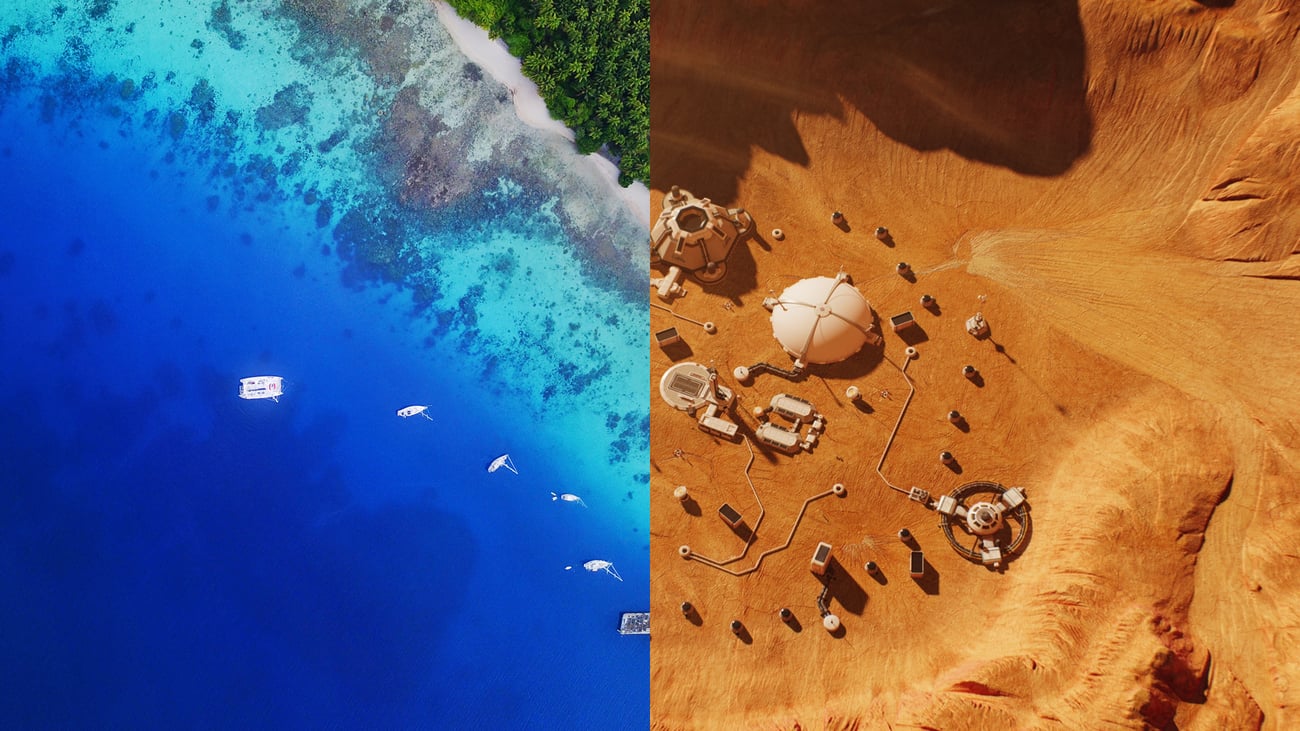
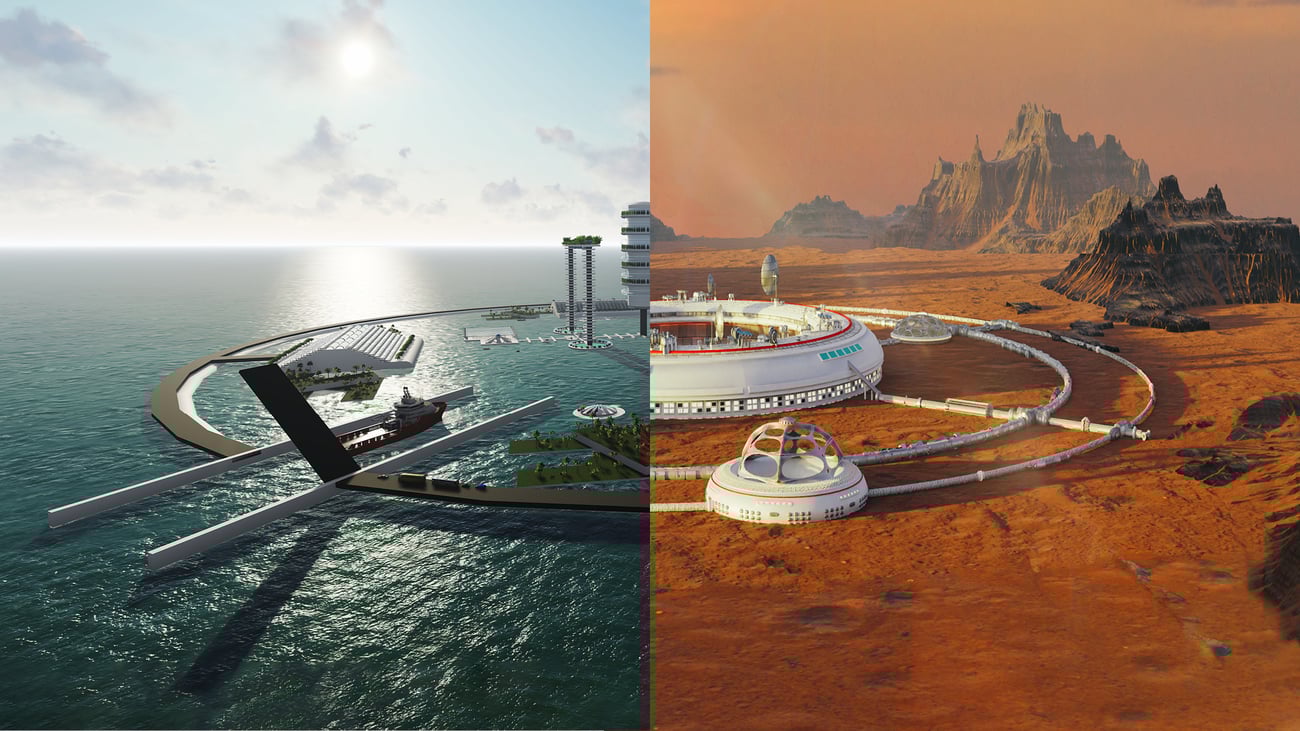
We stand at the edge of a decision that could shape the future of humanity. Do we sink trillions into colonizing Mars, a barren planet that could be made barely habitable for a small number of people? That same ambition, turned toward Earth's oceans, could revitalize the ecosystems that already sustain billions of us, and for far less. The real question is where that money does the most good.

The Blue Planet vs. The Red Planet

Where should we invest? Here is a closer look at Mars colonization and Earth's ocean restoration, and the long-term impact of each on our planet and our economy by 2050.

The blue economy

 A $2.8 trillion investment for a $15.5 trillion future.

71% of our planet is covered by ocean. Ocean-related industries, the "blue economy", generate about $2.5 trillion in economic value each year, which would make the ocean the world's seventh largest economy. The blue economy supports close to 3 billion people's livelihoods across seafood, port construction, coastal tourism, and more. (UNEP, 2023; WWF and BCG, 2015)

Even so, of the 17 United Nations Sustainable Development Goals, "Life Below Water", SDG 14, has received the least public money. 
(UN Department of Economic and Social Affairs, 2022)

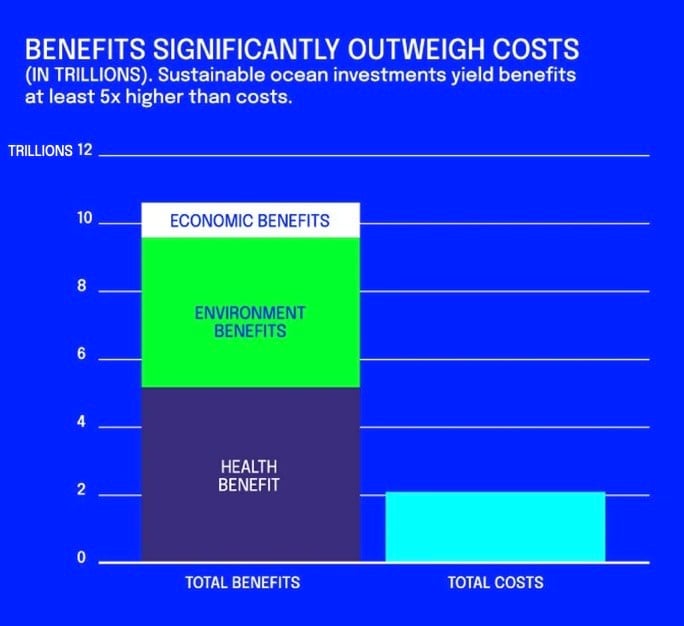
Investing $2.8 trillion could yield an estimated $15.5 trillion in net benefits from sustainable ocean investments by 2050. 
(High Level Panel for A Sustainable Ocean Economy, 2022)

According to the High Level Panel for a Sustainable Ocean Economy, every $1 invested in ocean health returns more than $5 in benefits.

Figures are lower-bound present value estimates over 2020–50, chosen to show the minimum scale of net benefits. (Chart: High Level Panel for a Sustainable Ocean Economy, A Sustainable Ocean Economy for 2050: Approximating Its Benefits and Costs (Konar & Ding, 2020), Figure ES-2. DOI: 10.69902/f49641d2)

The World Economy in 2050: Circular, Regenerative, and Blue

ObO_Circular

Circular

The circular economy of 2050 designs waste out from the start. 

Products are built for reuse and recycling, and bio-based plastics take the place of fossil-derived ones. Zero-waste factories run on renewable energy, and durable, repairable goods support local repair economies. Resources stay in use far longer, keeping waste low while driving economic efficiency and environmental balance.

ObO_Regenerative

Regenerative

The future economy will no longer exploit nature but restore it. 

The regenerative economy will restore ecosystems while providing for human needs. Regenerative agriculture will transform food production and enrich biodiversity. Cities will become living ecosystems with renewable energy systems, creating carbon-positive urban environments. By investing in ecosystem services, governments and industries will turn nature into a powerful economic driver.

ObO_Blue

Blue

By 2050 the oceans will power sustainable industries.

Long exploited and polluted, the oceans will become the planet's largest reservoir of opportunity. The blue economy scales ocean-based industries that draw on marine ecosystems while keeping them healthy. Blue biotechnology turns algae into bio-based chemicals for pharmaceuticals, agriculture, and textiles, and as those chemicals take the place of oil-derived inputs, they help drive global decarbonization.

Blue industries: unlocking new possibilities for innovation

The blue economy can play a crucial role in material innovation by providing bio-based solutions that replace oil-derived products across many industries. By 2050, these innovations can contribute to a more circular and regenerative global economy. Here is a closer look at how ocean-based materials, particularly those from marine algae, seaweed, and other marine organisms, can reshape various sectors.

Origin by Ocean:
how to take part in the blue economy

The global ocean health crisis is daunting, and there is a clear path forward. Pioneering technologies and sustainable practices are already in motion, with companies like Origin by Ocean leading the way today.

ObO - Start Small, Start Now

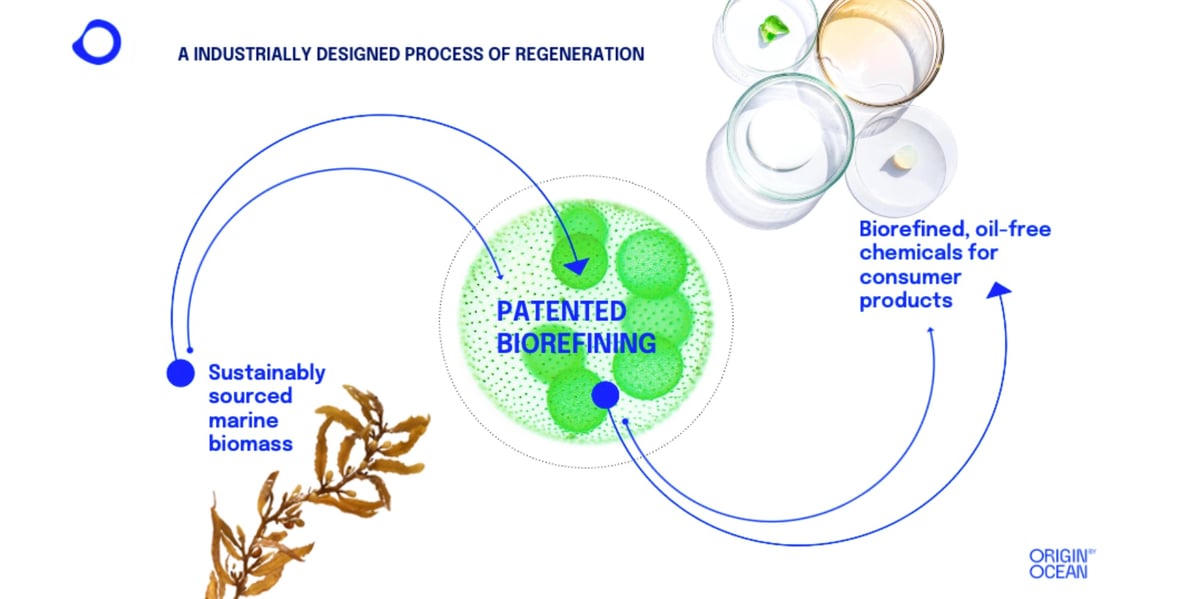
Origin by Ocean has developed a method to transform harmful algal blooms, which are driven by industrial and agricultural runoff, into bio-based chemicals. These offer sustainable alternatives to fossil-fuel derivatives, climate-sensitive plants, and land- and water-intensive crops, and they go into everything from cosmetics to food production and packaging.

We believe that for change to happen at a massive scale, it has to become an industry. One with a reimagined value chain.

The origin of the only life we know in the universe started in the ocean. Life still depends on it. Invest in an industry built to restore ocean health and build the blue economy of the future.

How Origin by Ocean is driving the Blue Bioeconomy

WHAT WE DO

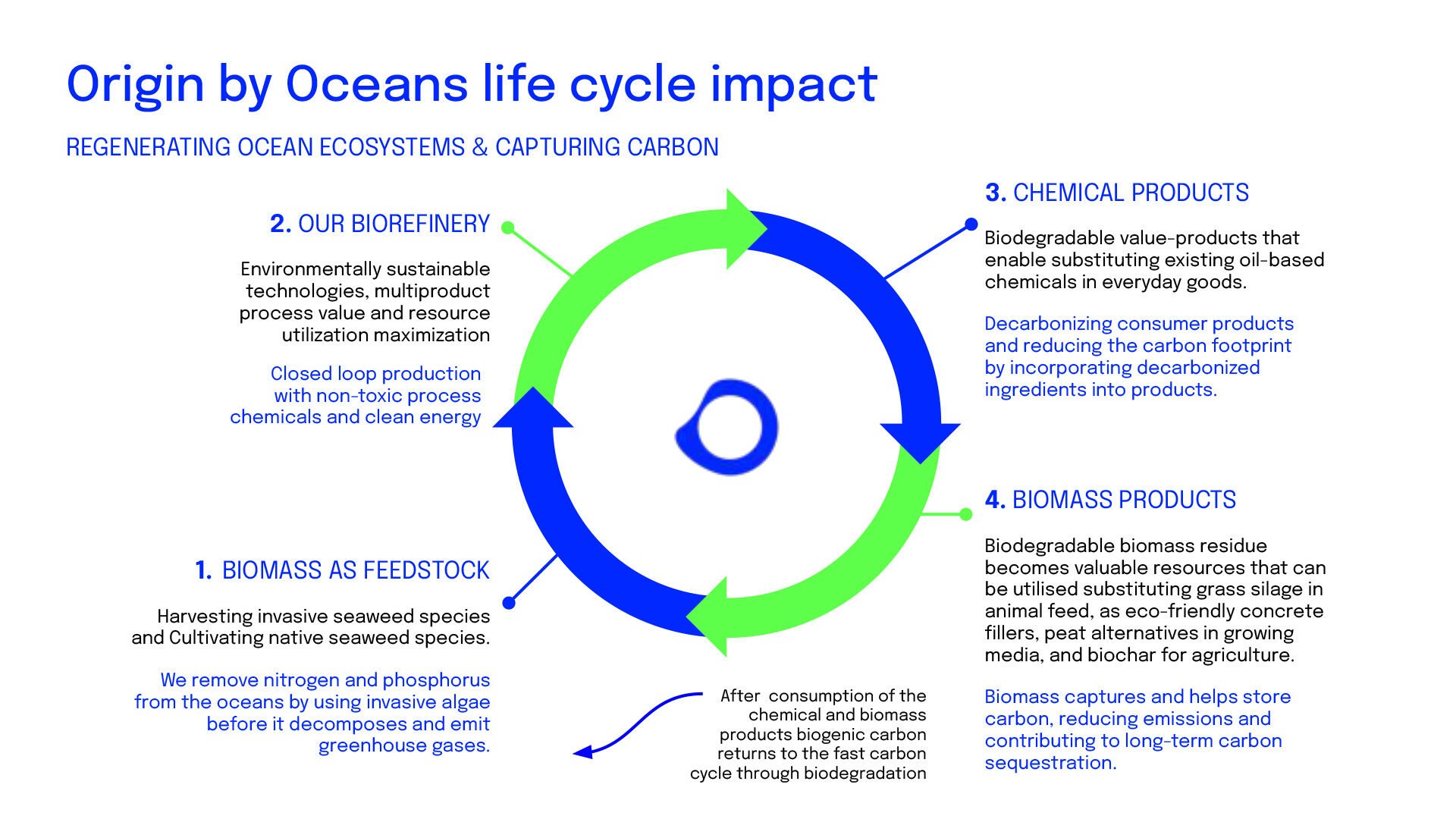
Our closed-loop process turns invasive algae into bio-based chemicals and biomass products, regenerating ocean ecosystems while capturing and storing carbon.

OUR IMPACT

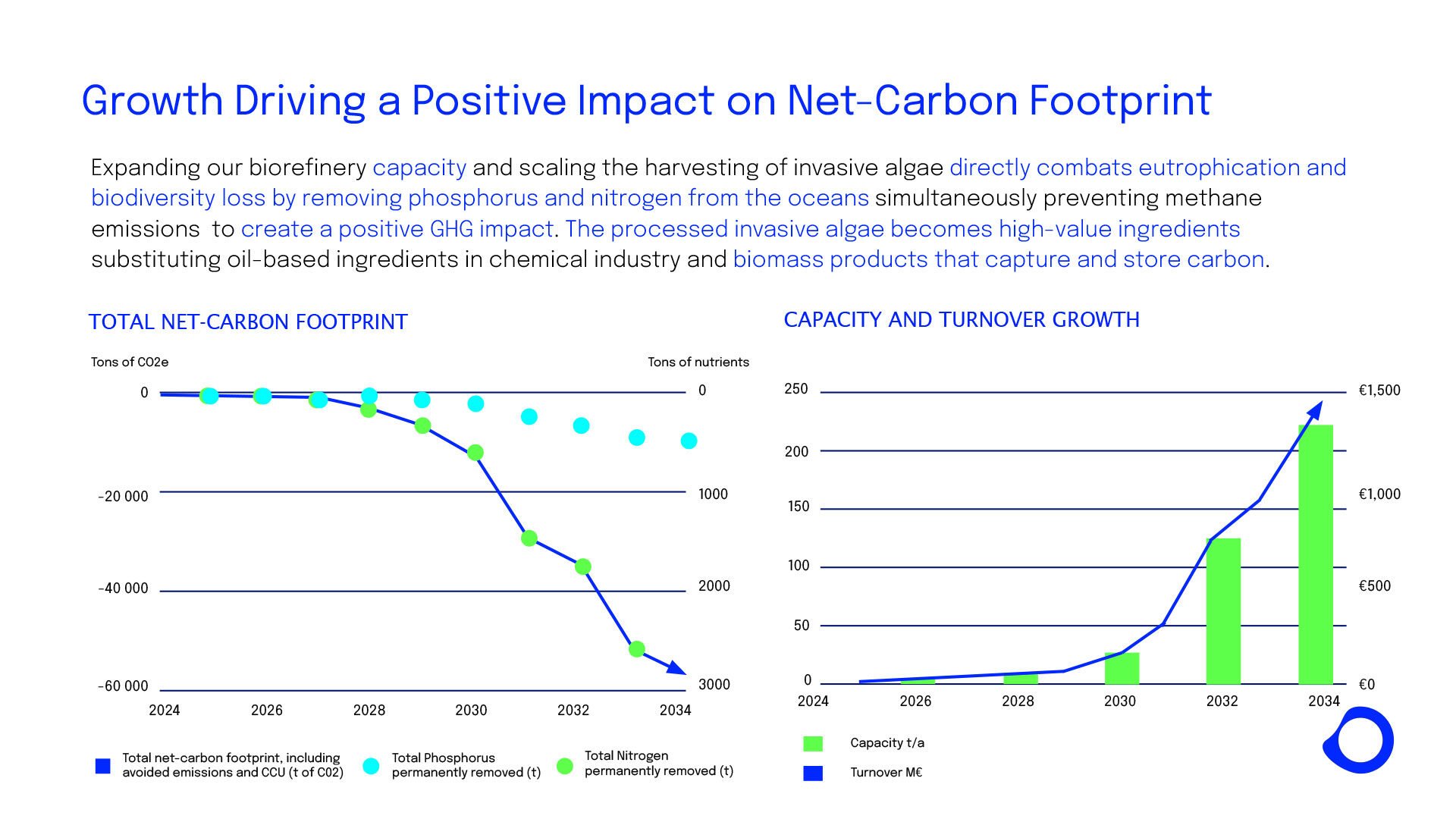
The more we grow, the lower our carbon footprint. Alongside fewer greenhouse gas emissions, our model helps restore the biodiversity of the oceans.

OUR ROAD MAP

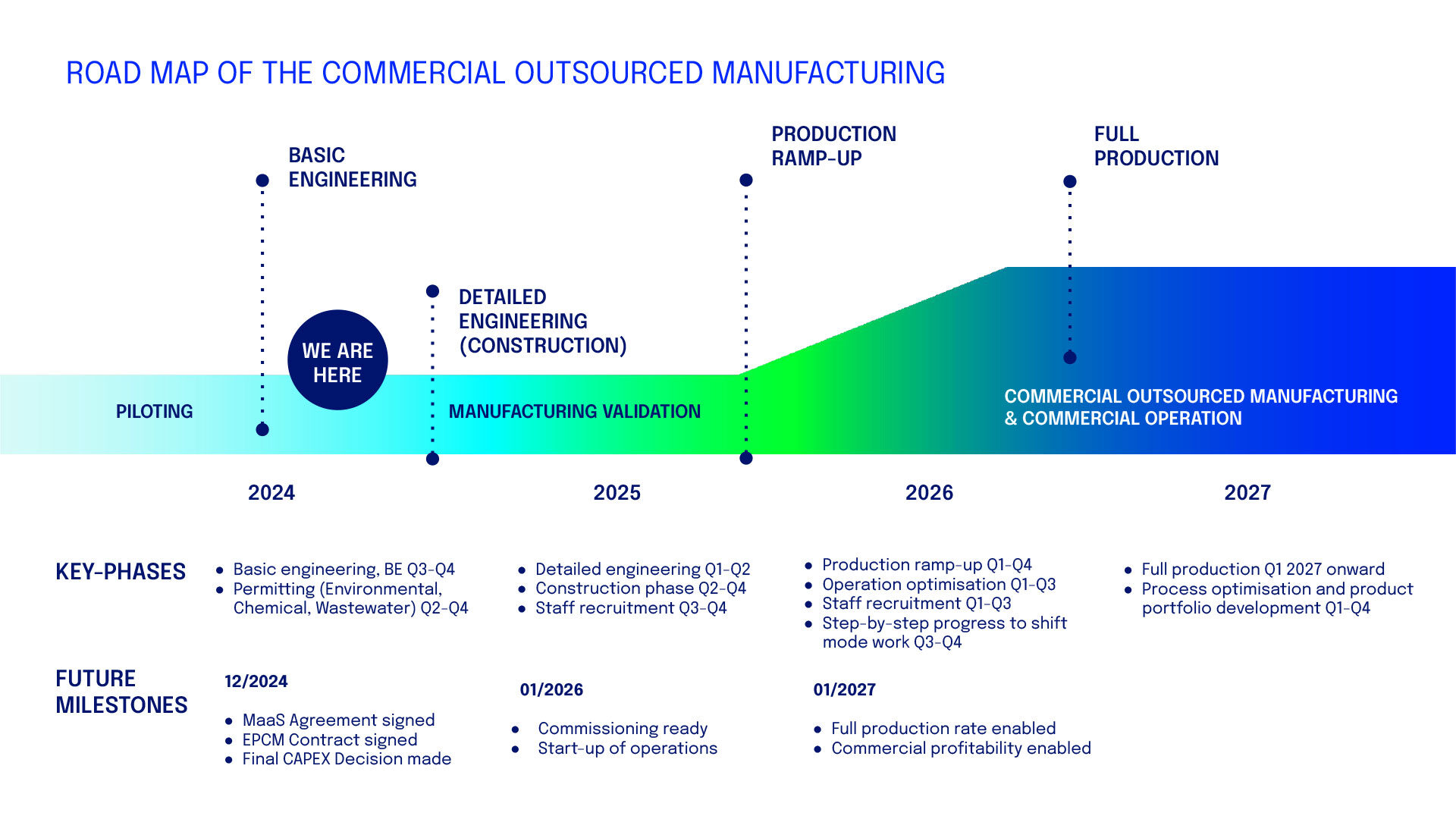
Full commercial operations by 2027, with our focus on ramping up production, optimizing operations, and expanding biorefinery capacity.

ObO - Invest in the Oceans Before It’s Too Late

Invest in the oceans before it’s too late


The future of humanity is not on Mars. It’s here on Earth. But without healthy oceans, there won’t be a human race left to send anywhere, Mars included.
 

As industries and governments tighten regulations and shift toward sustainable alternatives, now is the moment to position yourself at the forefront of the blue economy. The earlier you invest, the more you stand to gain, financially and ecologically. The sooner you act, the greater your role in protecting the planet for future generations.

Don’t wait until you need a ticket to Mars.
Start investing in the oceans now.

Interested in investing?
Leave us a contact request.

Contact Origin by Ocean and secure your stake in the blue economy.

Mari Granström - Origin by Ocean

Mari Granström


Chief Executive Activist, CEO

Want to know more?